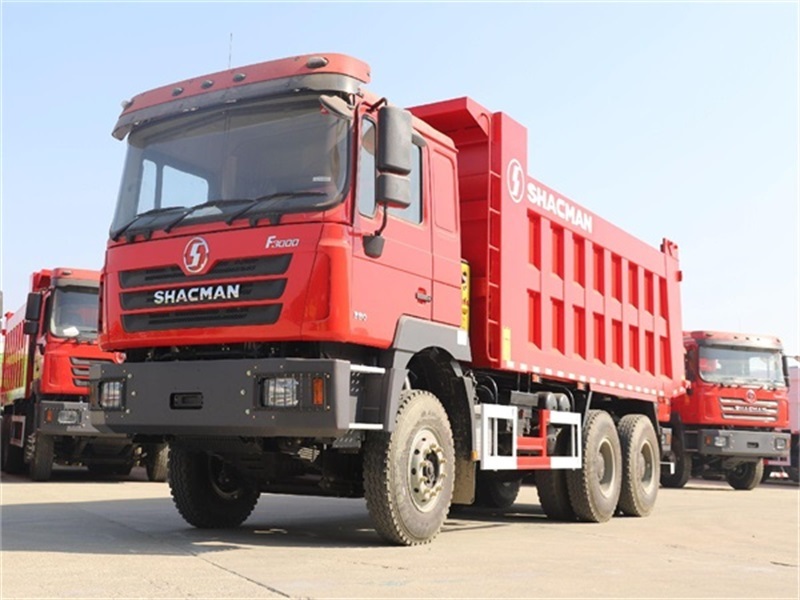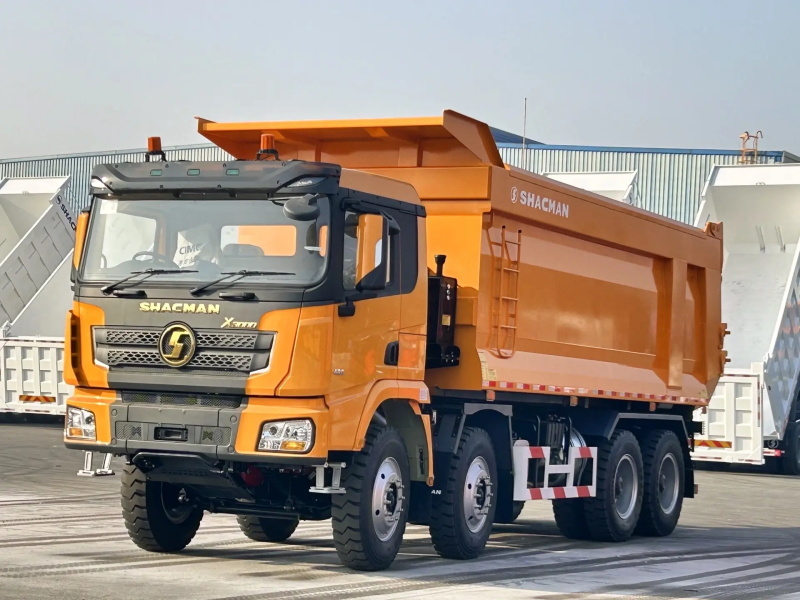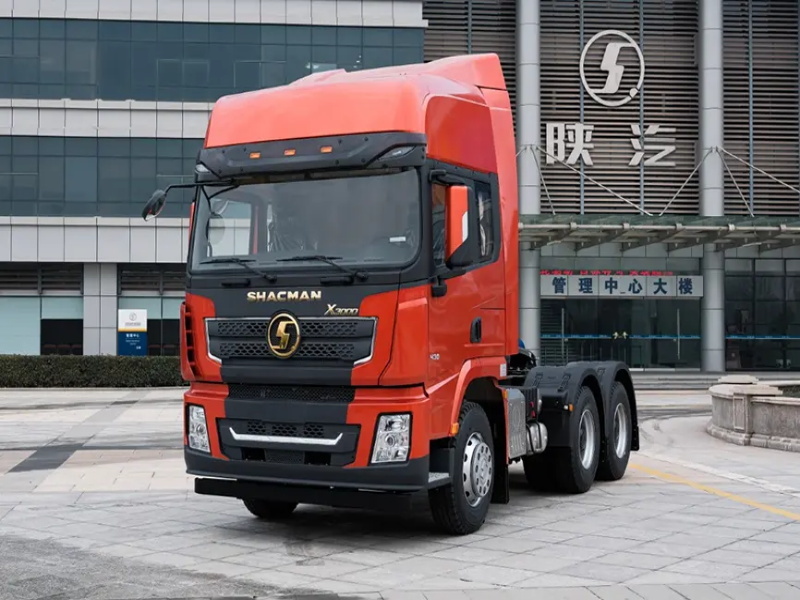


Why is the Shacman F3000 so popular in mining transportation
Time:
Dec 12,2025
The Shacman F3000 boasts significant advantages in power performance, structural strength, durability, and operating costs, making it better suited to the complex and ever-changing transportation environment of mining areas.
In the high-load, high-dust, and long-term continuous operation of mining transportation, the requirements for vehicle power, durability, and stability are far higher than in general road transportation. As a mature product in the heavy-duty truck industry, the Shacman F3000 has become increasingly popular in the mining transportation sector in recent years due to its reliable performance and excellent adaptability, becoming an important transportation equipment for many companies. Its popularity is mainly reflected in its power performance, structural strength, driving reliability, and operating cost control.
Strong power is a key factor in the F3000's outstanding performance in mining conditions. Whether starting on steep slopes, heavy-load traction, or continuous transportation on uneven roads, the vehicle needs stable and sufficient output. The F3000 is typically equipped with a large-displacement, high-torque engine, coupled with an optimized transmission and rear axle ratio, enabling the vehicle to maintain good traction even under low-speed, high-load conditions, effectively improving mining operation efficiency.

The F3000's chassis structure has high strength, making it suitable for harsh road environments. The complex road conditions in mining areas, including potholes, gravel, and steep slopes, pose significant challenges to vehicle frames and suspension systems. The F3000 employs a reinforced frame, heavy-duty leaf springs, and a wear-resistant suspension structure, resulting in enhanced torsional and impact resistance. This effectively reduces downtime caused by frequent maintenance, increasing vehicle uptime.
Durability and reliability are crucial indicators for mining operators. The F3000 features mining-specific optimizations in key components such as the braking system, cooling system, and transmission components, ensuring stable operation even under prolonged high-intensity use. Furthermore, its mature parts supply chain ensures convenient maintenance, minimizing transportation interruptions due to parts waiting times.
Controllable operating costs are another key reason for its popularity. Mining vehicles typically operate on a multi-shift, continuous basis, and fuel consumption, wear resistance of vulnerable parts, and maintenance frequency directly impact company costs. The F3000 demonstrates stable fuel consumption control, while its durable design extends routine maintenance intervals, resulting in relatively lower overall operating costs. This meets the dual demands of efficiency and economy in mining transportation.
The Shacman F3000 boasts significant advantages in power performance, structural strength, durability, and operating costs, making it better suited to the complex and ever-changing transportation environment of mining areas. Therefore, it's no surprise that it has become the preferred heavy-duty transport vehicle for mining companies. For operating conditions requiring long-term heavy-load, high-intensity transportation, the F3000 is undoubtedly an excellent model that combines reliability and cost advantages.